Revolutionizing Canada’s Transit: Quebec City-Toronto High-Speed Rail to Redefine Travel
Canada’s transportation landscape is on the cusp of a transformative shift as the government announces a strategic move towards a state-of-the-art high-speed rail (HSR) system connecting Quebec City and Toronto. This project aims to vastly improve travel times, boost regional economies, and set a new standard for sustainable transportation across North America.
Why the Choice of High-Speed Rail Over Other Technologies Matters
In recent years, many believed that a high-frequency rail (HFR) system might be more suitable, given its lower initial costs and simpler implementation. However, extensive technical and economic analyses demonstrate that choosing Alto HSR technology delivers superior long-term benefits. The decision prioritizes speed, capacity, and operational efficiency, ensuring the corridor remains competitive within a rapidly evolving transportation sector.
Key Benefits of High-Speed Rail for Canada
- Significantly Reduced Travel Time: Travel between Quebec City and Toronto will be cut down from over 8 hours to approximately 3 hours, facilitating business and leisure travel alike.
- Economic Growth: The projected contribution to Canada’s GDP could reach 1.1%, adding roughly $24.5 billion CAD over its lifecycle. This growth is driven by increased connectivity, higher productivity, and job creation.
- Environmental Impact: Replacing car and airplane trips with rapid, electric-powered trains will lower greenhouse gas emissions substantially, supporting Canada’s climate commitments.
Infrastructure Strategy: Dedicated Tracks and Modern Engineering
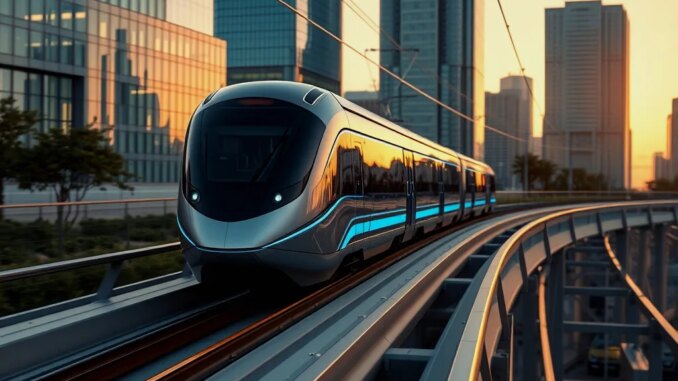
To maximize efficiency, the project developers will construct a completely independent high-speed rail line, avoiding conflicts with existing freight and passenger services. This dedicated, high-capacity rail corridor ensures consistent, reliable service and allows trains to reach speeds of up to 300 km/h.
Building a separate, specialized track also means reducing delays caused by freight traffic or previous track limitations. The design incorporates advanced signaling systems and state-of-the-art stations to streamline operations, minimize congestion, and enhance passenger experience.
Addressing Cost and Long-Term Investment
Though the initial costs for the Alto HSR project are 20-30% higher than a lower-speed or shared track system, the long-term economic benefits far outweigh the short-term expenses. An investment that emphasizes speed and capacity ensures higher ridership, faster returns on investment, and broader economic impacts.
Analyses suggest that the project could generate 10,000 new jobs during construction and operation phases, while reducing the dependence on federal subsidies for existing services, which currently demand around $297 million annually.
Enhancing Connectivity and Passenger Convenience
The new high-speed rail will not only diminish travel hours but also introduce an ultra-frequent timetable with multiple departures per day, catering to both business travelers and tourists. Stations will be strategically located in key urban centers, with seamless connections to local transit, airports, and major highways.
Furthermore, integrating smart ticketing systems and offering competitive pricing will make high-speed rail a compelling alternative to driving or flying, promoting a shift towards greener, more efficient transportation.
Aligning Technology With Future Growth
The decision to select Alto HSR technology anchors Canada’s commitment to innovation. This technology not only delivers speeds of up to 300 km/h but also offers scalability for future expansions and upgrades. As demand for intercity travel increases, the system can evolve without requiring massive overhauls, ensuring long-term adaptability and sustainability.
Conclusion: A Landmark Investment in Canada’s Transportation Future
The Quebec City-Toronto high-speed rail project marks a pivotal step toward transforming Canada’s transportation infrastructure. By prioritizing dedicated tracks, speed, and economic growth, Canada is positioning itself as a leader in sustainable, efficient intercity connectivity. This project exemplifies the country’s ambition to create a modern, resilient transportation network that will serve Canadians for generations to come.