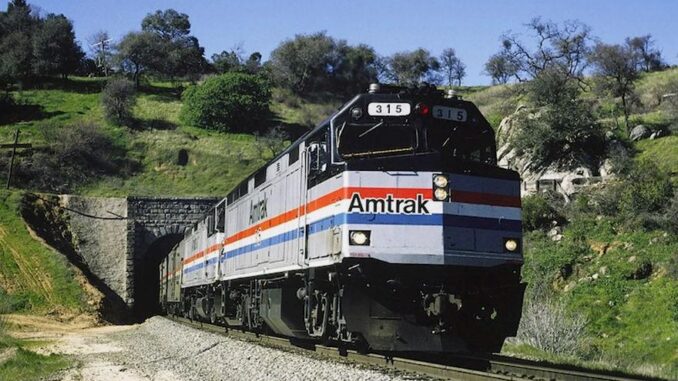
In a significant event for railway enthusiasts and historians, the Amtrak 315 F40PH locomotive has found its new home at the Nevada State Railroad Museum. This iconic piece of transportation history was meticulously prepared for its journey from its previous location to Boulder City, where it will be preserved and displayed for generations to come. The donation marks a pivotal moment in the preservation of North American rail history, showcasing the technological achievements and design evolution of passenger locomotives over the past five decades.
The journey of Amtrak 315 is not just about a locomotive changing hands; it symbolizes the enduring legacy of rail travel in the United States. This specific model, known for its distinctive look and reliable performance, played a key role in the expansion of intercity passenger rail service. The locomotive, now sans motor, has become an emblem of railway engineering and a testament to the preservation efforts that keep history alive amid modern transportation trends.
Historical Significance of the Amtrak 315
introduced in the late 1970s, the F40PH locomotive was engineered by Electro-Motive Diesel (EMD) and became the backbone of Amtrak’s fleet during its heyday. It was renowned for its high horsepower and durability, capable of hauling both short-distance commuter trains and long-distance routes across the country. Over time, these locomotives became a symbol of the golden era of American passenger rail, often seen in iconic liveries that embodied the spirit of travel and exploration.
Amtrak 315 specifically served on the West Coast, contributing to the iconic routes that connect Los Angeles to Seattle and beyond. Its design features, including a streamlined body and quiet, powerful engine, set a standard in the industry. Despite modern advancements, F40PH units remain highly respected among railfans and collectors for their historical importance and engineering excellence.
Details of the Donation and Future Display
The donation was facilitated by Western Rail, a company specializing in rail equipment restoration and preservation. This transfer was not simply a sale; it was a carefully executed process aimed at ensuring the locomotive’s preservation and educational potential. The unit, which originally operated with a functioning motor, was disassembled to make transportation safer and more feasible for its move.
Upon arrival at the Nevada State Railroad Museum, Amtrak 315 will undergo a series of restorations and transformations. Museum officials plan to display the locomotive as a static exhibit, offering visitors an up-close look at the engineering marvels of its era. Additionally, the museum envisions creating an interactive exhibit inside the locomotive, highlighting the history of passenger rail service, the technological evolution of locomotives, and the significance of railroads in shaping American history.
Commemorating the 50th Anniversary of the F40PH
This year marks the 50th anniversary of the F40PH model’s introduction into service, making the donation even more historically relevant. Since its debut, the F40PH has been a workhorse for numerous rail operators, including Amtrak, GO Transit, and others across North America. Its versatile design adaptability allowed it to serve diverse routes, including commuter lines and long-distance services, cementing its place as a legendary locomotive in rail history.
The museum plans to organize special events, including commemorative displays and educational programs, around the anniversary. These initiatives will serve to honor the significance of the F40PH, emphasizing its lasting legacy and influence on subsequent locomotive designs.
The Preservation of Railway Heritage
Railway preservation is vital for maintaining the technological heritage and cultural memory of transportation. The donation of the Amtrak 315 exemplifies ongoing efforts by museums, private collectors, and rail enthusiasts to safeguard historic locomotives from deterioration and obscurity. These efforts ensure future generations can appreciate the craftsmanship and innovation that have driven railway evolution for over a century.
The Nevada State Railroad Museum is recognized for its commitment to preserving regional and national rail history. Its latest acquisition not only enriches its collection but also enhances its role as an educational platform. Visitors will have the opportunity to learn about the technological advancements, operational history, and societal impacts of passenger rail travel through immersive exhibits, guided tours, and interactive displays.
What This Means for the Rail Enthusiast Community
For rail enthusiasts, the donation of Amtrak 315 is a highly anticipated event. It offers a rare chance to see a classic F40PH locomotive up close and learn about its role in shaping modern rail travel. Many hobbyists and historians view such acquisitions as essential for keeping the history tangible rather than relegating it to photograph archives and written documentation.
This move also underscores the importance of public-private partnerships in preservation. Collaboration between rail companies, museums, and community organizations facilitates a sustainable approach to conserving railway heritage. By fostering such partnerships, these entities can pool resources, expertise, and passion to ensure that historic locomotives like the Amtrak 315 receive the care and attention they deserve.
Long-Term Goals for the Locomotive
In the coming months, the Nevada State Railroad Museum plans to complete the reassembly and restoration of Amtrak 315. The locomotive will be exhibited as a display piece initially, but future plans include potential educational programs such as guided tours, classroom visits, and operator demonstrations with similar preserved units. These initiatives aim to inspire appreciation for the engineering ingenuity behind such machines and to highlight the importance of railroads in economic development and community connection.
Furthermore, the museum is exploring options to incorporate virtual reality experiences that simulate operating a locomotive like the F40PH, providing immersive educational opportunities without the risks associated with handling operational equipment.
The Role of Community Support and Engagement
Community support plays a crucial role in the success of such preservation projects. Public interest, volunteer programs, and donations help sustain ongoing maintenance, educational outreach, and special events at the museum. Awareness campaigns linked to the anniversary of the F40PH and the donation event will help boost community engagement and draw attention to the importance of preserving transportation history.
Local businesses, schools, and railfans are encouraged to participate in upcoming programs, which aim to foster a sense of ownership and pride in the region’s railway heritage. The donation of Amtrak 315 is not just a museum acquisition; it is also a rallying point for community action and cultural preservation.