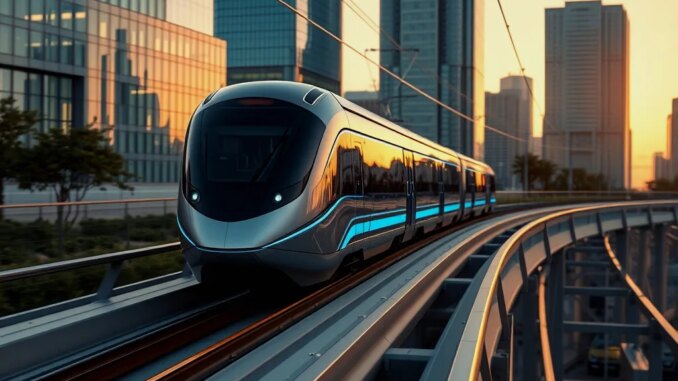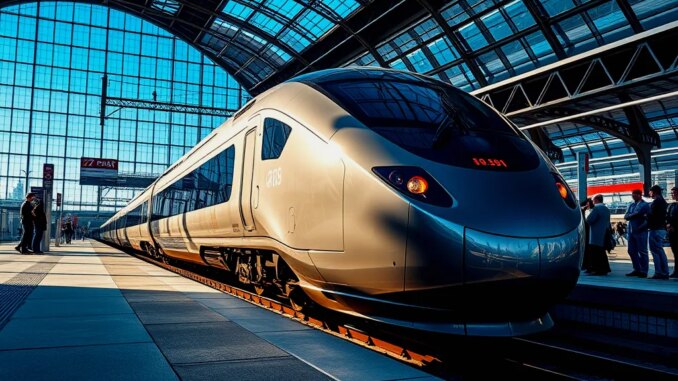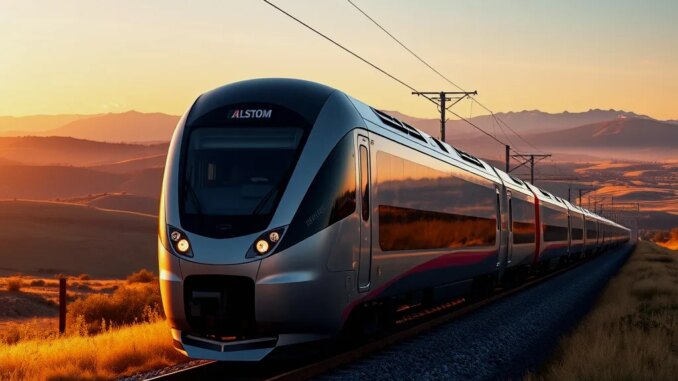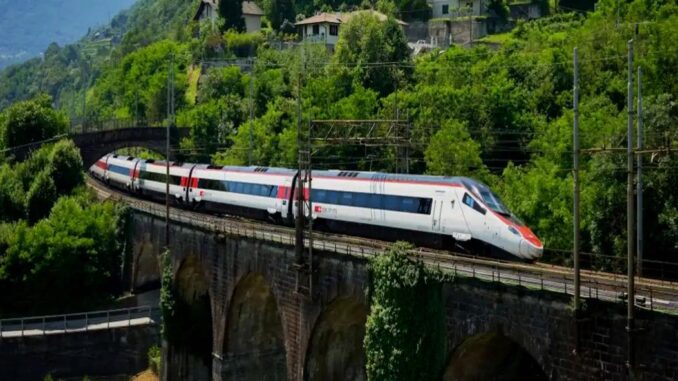
Revolutionizing Trans-European Rail Travel: The TGV Lyria Expansion
Imagine traveling at high speed from the heart of Switzerland directly to France’s most vibrant cities, with comfort, sustainability, and efficiency. The TGV Lyria is not just a train service—it’s a vital connector steering Europe toward a low-carbon, high-speed mobility future. Recently, this partnership has been extended until 2032, ensuring continuous, seamless travel between Switzerland and France for the next decade. This strategic move positions TGV Lyria as a flagship regional corridor, poised to meet escalating demand and technological advancements in high-speed rail.
Why the TGV Lyria Extension Matters for Europe’s Transportation Network
Extending the TGV Lyria partnership signals a strong commitment by both Swiss and French rail authorities to foster sustainable mobility solutions. This extension—cemented by agreements between Swiss Federal Railways (SBB) and French National Railways (SNCF)— underscores a shared vision: to promote environmentally friendly travel options that reduce dependency on air and road transportation. The decision to lock in this partnership until 2032 offers stability, enabling strategic investments in infrastructure, fleet modernization, and customer experience enhancements.
Key Achievements Fueling Confidence in TGV Lyria’s Future
Since its inception, TGV Lyria has consistently driven record-breaking passenger numbers, with over 5.7 million travelers in 2025 alone. This remarkable volume demonstrates the service’s popularity and operational success in connecting major cities such as Paris, Geneva, Lausanne, Basel, and Zurich. Operating 17 daily round-trip services, TGV Lyria offers upwards of 18,000 seats daily, providing a reliable, high-capacity solution for commuters and tourists alike.
This success isn’t accidental. The direct city-center-to-city-center routes, combined with high-frequency schedules, cater specifically to the needs of modern travelers seeking speed, comfort, and convenience. Moreover, the train’s eco-friendly credentials reinforce its role in Europe’s broader sustainability agenda, reducing carbon emissions substantially compared to air or car travel.
Expanding Routes and Enhancing Passenger Experience
The strategic extension isn’t solely about maintaining current services; it’s about proactively expanding and improving. Recent initiatives include an innovative seasonal schedule—serving routes between Cenevre, Lausanne, and Marseille—which operates between April and November, reflecting increasing travel demand in the warmer months. These new routes offer travelers longer-distance options and connect southern France with Swiss cities, broadening the scope of high-speed rail accessibility across regions.
Travelers now benefit from improved onboard amenities, enhanced ticketing options, and real-time service updates, creating an experience comparable or superior to air travel but with much lesser environmental impact. As electrification technology advances, TGV Lyria continually upgrades its fleet, incorporating state-of-the-art trains that prioritize energy efficiency and passenger comfort.
Building on Infrastructure and Technological Innovation
The extended partnership paves the way for significant infrastructure upgrades, including station refurbishments and track improvements. These investments guarantee smoother, faster journeys and reduce delays, bolstering reliability—a crucial factor for travelers who rely on punctual service.
Furthermore, the integration of digital ticketing, real-time travel information, and contactless onboard services align with the latest technological trends, making high-speed rail a more convenient option for tech-savvy travelers. Innovative solutions such as AI-powered maintenance and predictive analytics streamline operations, minimize disruptions, and enhance safety.
Future Outlook and Europe-wide Connectivity
This extension isn’t just about Switzerland and France; it’s designed to fit into a larger vision for European high-speed rail corridors. Both SBB and SNCF are exploring new direct services beyond their current networks to integrate more deeply with other European high-speed routes—think high-speed links to Germany, Italy, and Spain.
Specifically, analysts spotlight the potential development of long-distance, cross-border routes that would connect Zurich, Geneva, and Basel directly to major European hubs with minimal transfers. Such routes would significantly cut travel times, foster economic growth, and reduce the carbon footprint associated with air travel within Europe.
Strategic Impact on European Mobility and Sustainability Goals
The importance of this partnership extends beyond regional benefits. As Europe pushes for a climate-neutral continent by 2050, high-speed rail like TGV Lyria embodies an essential transition—offering an alternative to short-haul flights, which are some of the most polluting forms of transit. The extended collaboration aligns directly with European Union initiatives, such as the European Green Deal.
In addition, the partnership’s stability fosters increased customer confidence, encouraging more travelers to shift from cars and planes to electric trains. This shift can lead to a notable reduction in greenhouse gases, contributed partly by the continuous advancement of electric train technology and renewable energy sources powering the rail network.
Conclusion: The Future of High-Speed Rail in Europe
With the extension of the TGV Lyria partnership, the future highlights a resilient, eco-friendly, and technologically advanced rail corridor connecting Switzerland and France. This strategic move not only guarantees ongoing service for millions of travelers but also serves as a model for international cooperation aimed at sustainable mobility. As visualized, continuous innovation, route expansion, and infrastructure investment will drive high-speed rail across Europe—making it faster, greener, and more accessible than ever before.