Poland’s Bold Step Toward Rail Modernization with Stadler
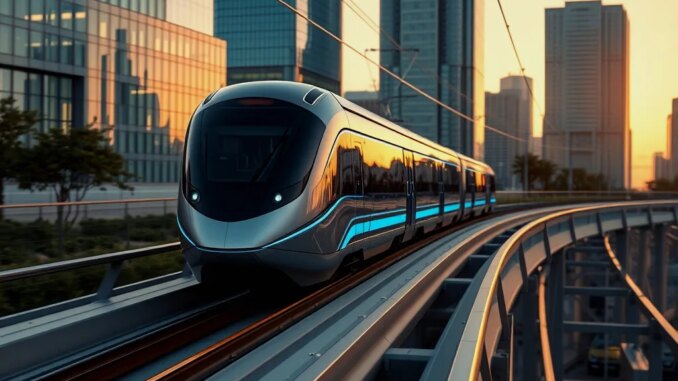
The rapid transformation of Poland’s regional rail infrastructure is taking a significant leap forward through a groundbreaking partnership with Stadler, a global leader in rail vehicle manufacturing. The Büyük Polonya Voyvodalığı region has committed to an extensive upgrade of its urban and regional rail network, placing Poland at the forefront of sustainable and efficient transportation. This move not only enhances mobility for millions but also demonstrates Poland’s strategic focus on integrating modern, energy-efficient trains into their public transit framework.
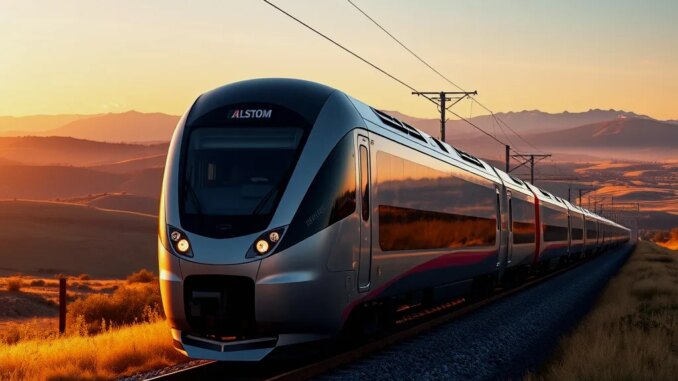
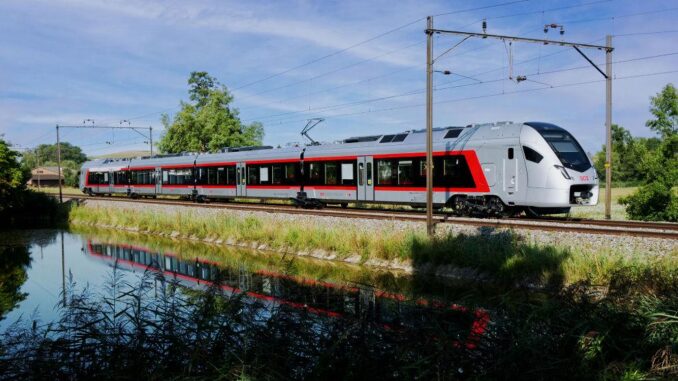
Driving this initiative is a colossal investment valued at approximately 263 million Euros, which underscores the region’s dedication to innovation and long-term infrastructure development. The contract entails the supply of up to 20 state-of-the-art electric multiple units (EMUs), prominently featuring Stadler’s renowned FLIRT trains, known for their durability, speed, and passenger comfort. The plan is to start rolling out these new trains by 2028, with an initial order of 10 trains, each consisting of five carriages, and options for an additional 10 units, providing flexibility for future demand growth.
Stadler’s FLIRT: A Benchmark in Modern Rail Technology
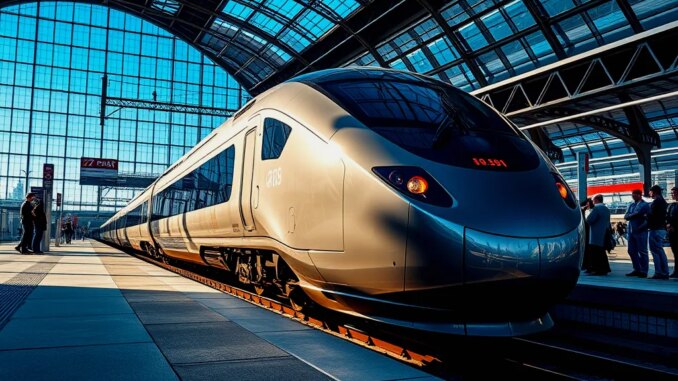
When discussing modernization, there’s no better example than Stadler’s FLIRT trains. These units, with over 3,000 units operating in 24 countries, have established themselves as a trusted choice among rail operators worldwide. Their success stems from a combination of cutting-edge technology, energy efficiency, and versatility. The FLIRT model is renowned for its reliability and passenger-centric features, making it ideal for both urban corridors and regional routes.
Stadler’s commitment to innovation is reflected in the continuous evolution of the FLIRT series, incorporating lightweight materials, modular design, and advanced safety systems. This makes them not only environmentally friendly but also adaptable to various operation environments and customer needs. The introduction of these trains into Polish rail lines aligns with the broader goal of reducing carbon emissions while improving service quality.
Local Manufacturing Powerhouse Boosts Regional Economy
Stadler Polska’s manufacturing hub in Siedlce is a cornerstone of this project. The plant has already produced more than 650 FLIRT trains for international clients, reinforcing Poland’s position as a vital player in European rail manufacturing. The factory employs over 100 engineers and technicians, many of whom will now focus on customizing and assembling these new trains specifically for Polish needs. This enhances local expertise and supports a multibillion-euro economic impact that stretches beyond just the transportation sector.
Poland’s strategic investment in local manufacturing facilities ensures that technology transfer, skilled employment, and regional development grow synergistically. The Poznań-based engineering team will play a critical role, overseeing design adaptations and quality control, thus fostering a technology ecosystem that benefits from global standards and local innovation.
Technical Features and Passenger Benefits
The new generation trains will incorporate several advanced features to maximize efficiency, safety, and passenger convenience:
- Capacity & Comfort: Each EMU can carry up to 632 passengers, including 250+ seated. The interior will feature ergonomic seating, modern lighting, and climate control to ensure a comfortable journey.
- Speed & Performance: Capable of reaching 160 km/h, these trains dramatically reduce travel times on regional corridors, making commutes faster and more reliable.
- Accessibility: Designed with a low-floor layout, these units facilitate easy boarding for passengers with reduced mobility, parents with strollers, and elderly commuters.
- Technology & Safety: Integrated with Wi-Fi, real-time information screens, and security cameras, the trains prioritize passenger engagement and safety. Additionally, state-of-the-art safety systems like ETCS Level 2 enhance operational security, enabling high-precision signaling and train control.
Attention to onboard amenities like air conditioning, free Wi-Fi, and advanced security measures promises a travel experience that rivals air travel in comfort and convenience, but with the eco-efficiency and cost advantage of rail transit.
Environmental Goals and Sustainability Initiatives
Poland’s investment aligns closely with European Union climate commitments to decarbonize the transport sector. The electric trains will operate on renewable energy sources, reducing CO2 emissions significantly. The lightweight aluminum construction minimizes energy consumption, and the modular design allows easy upgrades with energy-saving technology over time.
Furthermore, the initiative exemplifies *sustainable urban planning* by promoting public transit over private vehicle usage, thereby reducing traffic congestion and air pollution. The trains’ energy-efficient powertrain and regenerative braking systems exemplify innovative design aimed at decreasing operational costs and environmental impact.
The Broader Impact: Improving Mobility and Regional Development
This upgrade is more than just a technical enhancement; it’s a catalyst for economic growth and regional development. Upgraded rail infrastructure improves connectivity between cities and rural areas, fostering economic integration and social cohesion. Enhanced transportation options can lead to increased tourism, boost local businesses, and attract new residents seeking efficient mobility solutions.
As Poland advances toward a modern, eco-friendly transportation system, the partnership with Stadler sets a precedent for other regions. This project is a blueprint for public-private collaboration, demonstrating how strategic investments in cutting-edge rail technology can propel regional economies and meet stringent environmental standards simultaneously.