Revolutionizing Airport Transit: The Atlanta Case Study
In a bold move to enhance passenger experience and prepare for future demands, Hartsfield-Jackson Atlanta International Airport has embarked on a comprehensive modernization project involving cutting-edge automated transit systems. This initiative directly impacts the millions of travelers who pass through Atlanta annually, especially with the upcoming major football tournament expected to generate unprecedented congestion. The strategic upgrade not only boosts current capacity but also underscores Atlanta’s commitment to sustainable, efficient urban mobility.
Unprecedented Capacity Boost with Alstom Innovation
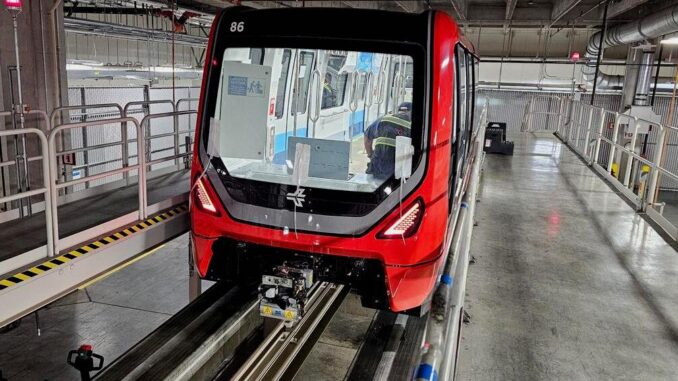
At the core of Atlanta’s upgrade lies Alstom’s modern Innovia APM R series. Four new high-tech automated people mover (APM) vehicles recently entered service, marking a significant step toward supporting increased passenger volumes. These vehicles are a part of an initial batch of 63 units, designed to replace older models and increase system frequency significantly.
Enhanced infrastructure, including upgraded guideway tracks, enables these new vehicles to operate with greater frequency and reliability. As a result, platform wait times decrease, and station congestion diminishes, leading to smoother, faster connections between terminals and concourses—critical during peak travel seasons like the upcoming football tournaments.
Why These Improvements Matter for Travelers and the City
- Increased Frequency: The upgraded guideways allow for such rapid dispatch that the interval between trains drops from 107 seconds to just 90 seconds—meaning fewer delays and shorter waits for travelers.
- Higher Capacity: The full fleet expansion to 73 vehicles ensures Atlanta’s airport transit system can handle 95 million passengers annually by 2025, surpassing previous limits.
- Sustainable Operation: The new Energy-efficient models operate quietly, reduce power consumption, and require less maintenance, aligning with global sustainability goals.
Alstom’s 45 Years of Trusted Partnership with Atlanta
Alstom’s relationship with Atlanta dates back over four decades, with the initial driverless Plane Train system debuting 45 years ago. This continuous collaboration involves constant upgrades, system maintenance, and innovation, making Atlanta a 7-year-old showcase of reliable automated transit technology.
The ongoing partnership demonstrates Alstom’s unwavering commitment to providing state-of-the-art transit solutions. The latest contract extension pledges another five years of tailored support and upgrades, ensuring seamless operation even during the city’s busiest periods.
Technological Advancements Fueling Future-Focused Mobility
The new Innovia APM R vehicles integrate advanced features such as video information systems, automated door sensors, and enhanced safety protocols. These components maximize passenger comfort while simplifying maintenance procedures, reducing operational costs for Atlanta and paving the way for similar urban transit solutions worldwide.
Infrastructure Modernization: The Backbone of Upgrades
Implementing these enhancements required robust infrastructure overhauls. Engineers laid a new turnaround point in the track system, enabling trains to change direction quickly without the delays common in older systems. These improvements facilitate a higher throughput, especially during high-demand periods like sports tournaments, airport peaks, etc.
Furthermore, the upgraded signaling and control systems empower the fleet to operate more closely and efficiently, making maximum use of the limited track space and ensuring safety and redundancy at every level.
Setting Global Standards in Airport Transit
Atlanta’s comprehensive system upgrade, led by Alstom, exemplifies how integrated transit modernization can redefine what’s possible in urban and airport mobility. The project demonstrates a replicable model adaptable to other cities seeking to enhance their transit capacity while emphasizing sustainability, safety, and passenger comfort.
As airports worldwide face increasing passenger volumes and complex logistical challenges, Atlanta’s success offers actionable insights into leveraging technology, infrastructure, and strategic partnerships. It underscores that relentless innovation, backed by proven expertise, is essential for transforming urban transit into a seamless, efficient, and eco-friendly experience.