Transforming US Rail Travel with Innovative Airo Trains
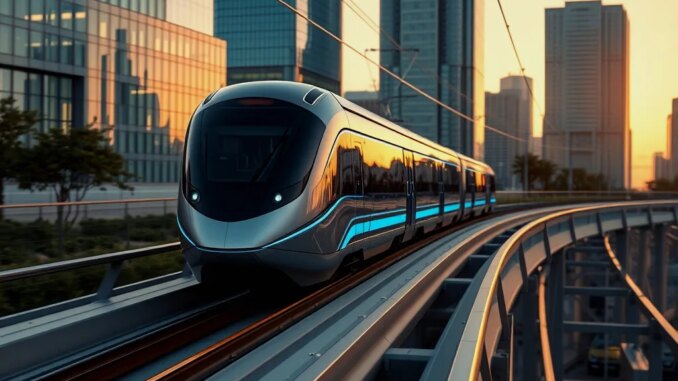
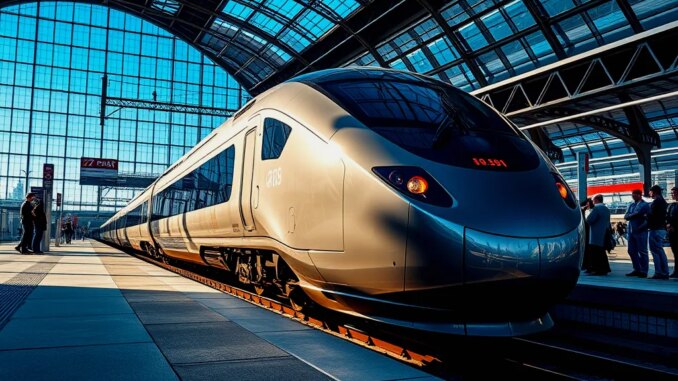
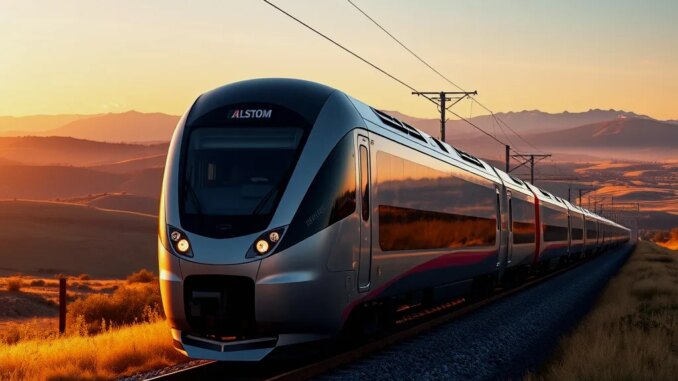
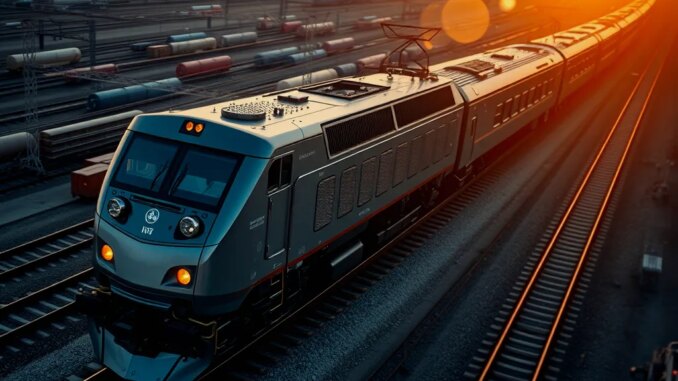
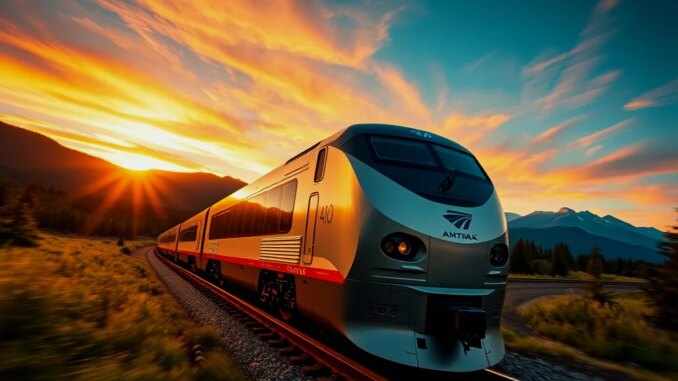
This fall marks a pivotal shift in America’s passenger rail landscape as Amtrak introduces the next-generation Airo trains, heralding faster, more comfortable, and environmentally friendly journeys. Initially launching on the Cascades route, this new fleet represents a strategic overhaul, setting the pace for nationwide rail modernization.
Enhanced Capacity and Speed in the Cascades Corridor
The Cascades line connecting Seattle, Portland, and Vancouver stands to benefit immensely from these state-of-the-art Airo trains. These trains will increase capacity up to 317 passengers, significantly increasing the number of travelers that can be accommodated during peak hours. Moreover, with operating speeds reaching 125 miles per hour (201 km/h), they promise to cut travel times and reduce congestion on this heavily trafficked corridor.
What makes Airo particularly groundbreaking is its ability to combine high speed with improved comfort. Expect modern interiors, enhanced suspension systems for a smoother ride, and advanced climate control features that make journeys more pleasant regardless of weather conditions.
Speeding Up the Journey from Seattle to Portland
Typically, the Seattle-Portland route takes approximately 3 hours and 30 minutes, whether by train or car. The deployment of Airo trains aims to optimize this timetable further by leveraging their higher speeds and better acceleration capabilities. Although Amtrak has not yet finalized the exact reductions in travel time, industry experts anticipate at least a 15-20 minute improvement, making train travel an even more attractive option for daily commuters and vacationers alike.
Furthermore, these trains will feature improved scheduling flexibility, allowing Amtrak to increase the frequency of trips, thereby catering to the growing demand for reliable, eco-friendly transportation methods.
Cutting-Edge Technology: Dual-Mode Power System
One of the hallmark features of the Airo trains is their dual-mode propulsion system. This technology enables trains to operate seamlessly on both electric and diesel power. Such versatility situates Airo as a vital asset on routes where electrification varies or is still under development.
“Airo trains can switch between electrified and non-electrified tracks without stopping, significantly reducing delays caused by locomotive changeovers,”
— Industry expert in rail infrastructure
This adaptability accelerates operational efficiency, allowing Amtrak to run more frequent services while reducing maintenance and energy costs associated with locomotive changes. Additionally, the trains comply with the EPA Tier 4 emissions standards, reflecting a strong commitment to reducing environmental impact.
Modernizing Infrastructure to Support Advanced Vehicles
Successfully integrating Airo trains into the existing network requires substantial *infrastructure upgrades*. Virginia and Washington are leading this transformation, investing billions to update rail track systems, signaling, and station facilities to accommodate higher speeds and dual-mode operations.
For example, Virginia is channeling over $6 billion into railroad improvements, aiming to connect key urban centers more efficiently and sustainably. This infrastructure overhaul ensures that the new trains can operate at peak performance, avoiding bottlenecks caused by outdated or incompatible technology.
Latency Reduction and Operational Improvements
Traditional demarcation points, like the Washington Union Station, often restricting operational efficiency by necessitating locomotive changes. With dual-mode Airo trains, Amtrak can eliminate many of these delays, enabling continuous high-speed operation over longer distances.
This technological leap not only enhances traveler experience but also supports *long-term network stability*. Fewer locomotive changes mean less maintenance downtime, lower operational costs, and the capacity to schedule more frequent departures, thus maximizing the utilization of rail infrastructure.
A Nationwide Rollout: Beyond the Cascades
Although initial deployment targets the Pacific Northwest, the Airo fleet’s design supports wide expansion. Within the next few years, over 12 additional corridors from New England to the Midwest will introduce these trains, modernizing some of America’s busiest routes.
By 2027, the Northeastern Corridor is expected to see the integration of Airo trains, harmonizing with its existing Acela fleet and elevating passenger experience. These developments are part of a broader federal push to reinvest in passenger rail infrastructure, aiming to triple ridership and achieve carbon neutrality by 2050.
Procurement and Investment Strategies
The phased rollout involves acquiring a total of 83 Airo train sets at an estimated cost of $8 billion. Siemens, the manufacturing partner, is committed to producing these trains within the United States, supporting domestic manufacturing jobs and ensuring quality control.
This substantial investment underpins Amtrak’s vision of a modern, resilient passenger rail network that adapts to future demands. Long-term benefits include increased ridership, reduced carbon footprint, and more competitive urban and suburban mobility.
Strategic Advantages for Commuters and Urban Centers
The new Airo trains will dramatically improve the travel experience, characterized by increased capacity, plush interior design, and cutting-edge technology. Commuters will enjoy faster, more reliable services with state-of-the-art amenities, making rail a more attractive option amidst rising road congestion and climate concerns.
Urban centers will see the ripple effects of these improvements—reduced highway traffic, lower urban emissions, and enhanced regional connectivity. The transition aligns with broad goals of urban sustainability and economic growth, bringing long-term benefits for residents and businesses alike.