Unveiling the Future of Embryo Engineering and De-Extinction
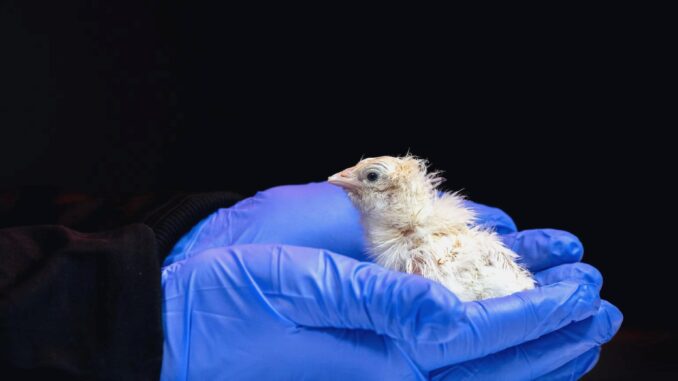
Scientists have achieved a groundbreaking milestone by successfully transferring fertilized chicken embryo content into a specially engineered artificial structure. This innovative step opens new horizons in developmental biology and *de-extinction efforts*. Unlike traditional methods, which rely solely on natural fertilization and incubation, this cutting-edge approach involves creating *artificial embryonic environments* that mimic and sometimes surpass natural conditions, promising unprecedented control over embryo development.
Advanced Artificial Structures Mimic Natural Egg Environments
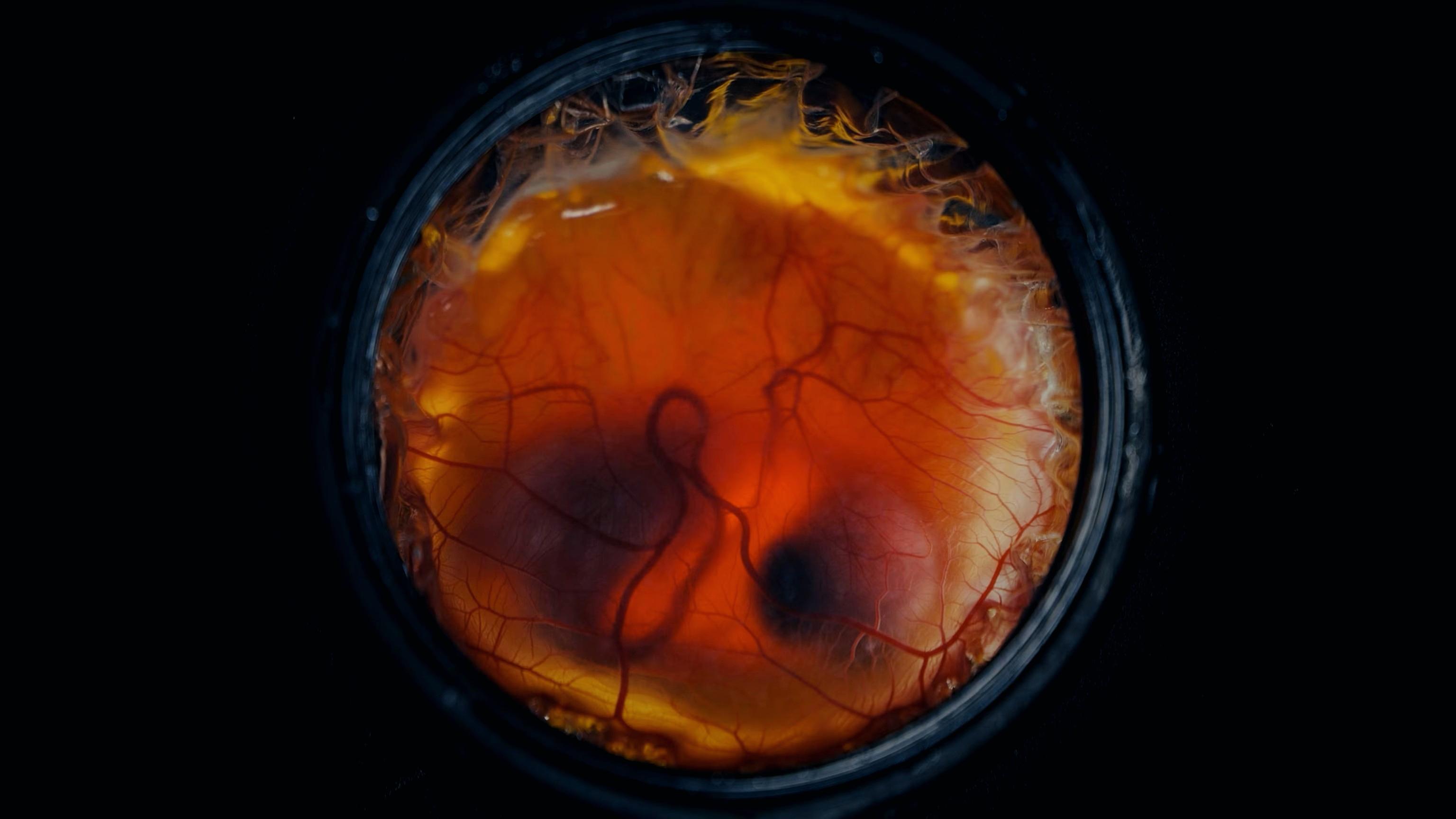
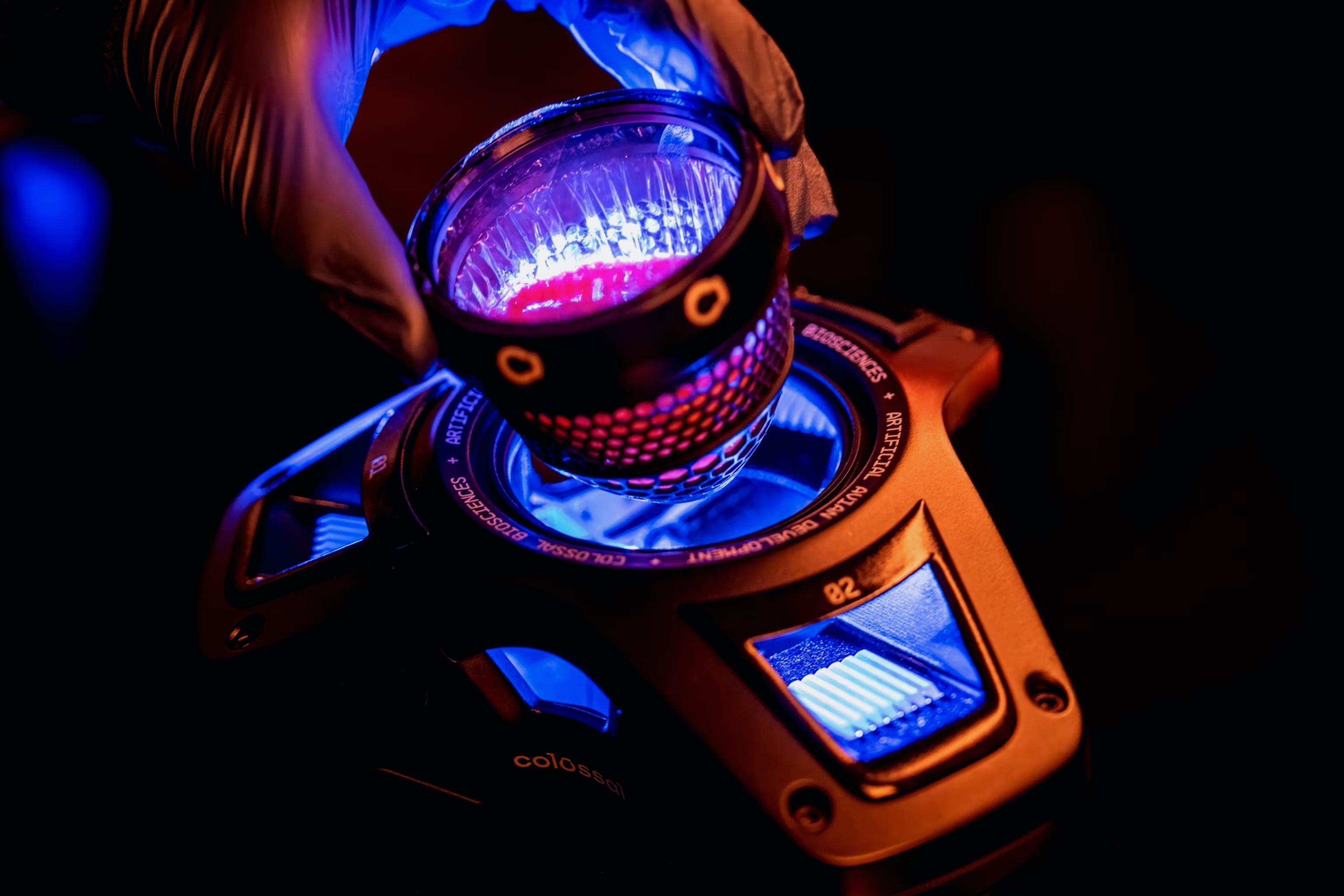
The core of this breakthrough lies in a *custom-designed membrane* that closely imitates the properties of a natural eggshell. This membrane facilitates optimal *oxygen exchange*, essential for embryo growth, while maintaining a controlled environment that supports normal cellular development. The artificial structure ensures that embryos receive precisely regulated oxygen levels, nutrients, and waste removal, which are critical parameters often hard to control in traditional incubation processes.
Implications for De-Extinction: Breathing Life Back Into Extinct Species
One of the most compelling applications of this technology is in the realm of *de-extinction*. Colossal, a biotech company at the forefront of this movement, envisions using such advanced embryo systems to resurrect extinct species, particularly large, prehistoric birds like the moa—an ancient flightless bird known to have been nearly 10 feet tall and weighing over 500 pounds. The ability to cultivate *embryos of such colossal size* may finally make it feasible to bring back the species previously thought impossible to revive.
Overcoming Size Limitations in Embryo Cultivation
Traditional biological systems face significant challenges when attempting to develop colossal embryos, primarily due to size constraints and oxygen diffusion limitations. For example, moa eggs were about 80 times larger than modern chicken eggs, making natural incubation and hatching nearly impossible in current conditions. The patented artificial environment overcomes these limitations by providing a *scaled-up, supportive medium* that guarantees proper development at larger sizes, enabling the growth of prehistoric embryo replicas in laboratory settings.
From Ancient DNA to Fully Developed Embryos: The Step-by-Step Process
- Extraction of Ancient DNA: Scientists carefully collect well-preserved moa bones and extract viable ancient DNA, a meticulous process that involves eliminating contamination and sequencing the genetic material.
- Genetic Modification and Synthesis: Using advanced gene editing tools, researchers modify the DNA of current-day bird species (likely a close relative, like the emu or ostrich) to match the extinct species’ genetic code.
- Constructing the Embryo: The synthesized DNA is inserted into a *synthetic embryo* built within the artificial environment, which provides the ideal developmental conditions.
- Growth and Monitoring: The embryo develops inside a *transparent, oxygen-permeable membrane*, allowing continuous visual monitoring and real-time analysis of cellular processes, tissue formation, and organ development.
- Hatching and Growth: Once fully developed, the embryo is carefully hatched, with scientists observing its health, vitality, and conformity to natural phenotypes.
Advantages of Artificial Embryo Systems Over Conventional Incubation
- Enhanced Control: Precise management of environmental factors such as oxygen, temperature, and humidity improves survival rates and developmental success.
- Scalability: Larger embryo sizes become feasible, which is critical for giant prehistoric species or even potential human therapeutic applications.
- Continuous Observation: Real-time imaging and data collection enable scientists to fine-tune developmental processes and troubleshoot issues as they arise.
- Reduced Ethical Concerns: Limiting the need for multiple attempts or invasive procedures minimizes suffering and resource expenditure.
Broader Impact: Embryo Research, Conservation, and Future Potential
This technology expands beyond de-extinction. It accelerates embryo research by allowing scientists to study developmental stages without the ethical concerns linked to using living animals. Moreover, conservation efforts can benefit from *factory-like incubators* that can rescue endangered species populations by supporting embryo development in controlled environments. In regenerative medicine, such systems could revolutionize organ regeneration and transplantation by enabling advanced tissue growth.
Ethical and Scientific Challenges Ahead
Despite the promising outlook, significant hurdles remain. Recreating the exact genetic makeup of extinct species involves complex gene editing and careful avoidance of unintended mutations. Additionally, the ethics of resurrecting extinct animals sparks debates about ecological impacts, animal welfare, and the unforeseen consequences of reintroducing species into modern ecosystems. The scientific community calls for rigorous oversight and a robust framework to ensure these technologies serve humanity and biodiversity responsibly.
Conclusion: A New Dawn in Biotechnology
The advent of *artificial embryo systems that emulate and enhance natural reproductive processes* redefines our potential to manipulate life’s building blocks. As research progresses, we edge closer to a future where extinct species may walk again, biological development reaches new frontiers, and the boundaries between nature and technology blur. This revolution in embryo engineering not only challenges our understanding of life itself but also offers a powerful tool for conservation, medicine, and scientific discovery—paving the way for incredible, unprecedented biological achievements.