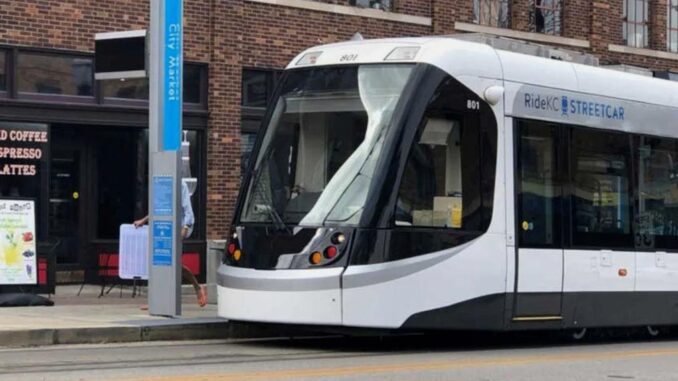
Revolutionizing Urban Transit: Kansas City’s Riverfront Streetcar Extension
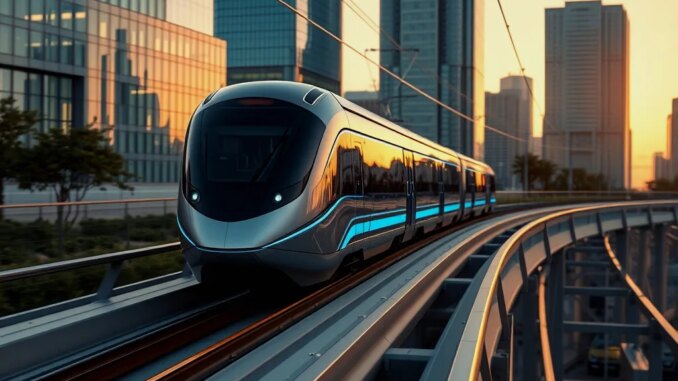
In a bold move to enhance urban mobility and connect key neighborhoods, Kansas City has officially launched its highly anticipated neighborhood-to-neighborhood Streetcar extension along the Missouri River. This project not only signifies a major upgrade in transportation infrastructure but also promises to reshape how residents and visitors experience the city’s vibrant riverfront. As of May 18th, the new line operates at full capacity, dramatically improving accessibility and encouraging sustainable transit options.
Unveiling the Details of Kansas City’s New Streetcar Line
The recently completed 0.7-mile stretch, valued at approximately $62 million, extends the existing streetcar network directly to the scenic banks of the Missouri River. Starting from the bustling Third Street and Grand Boulevard station, the line stretches westward into the historic River Market district, eventually reaching the serene, bustling riverfront precinct. This development effectively integrates commercial hubs, residential neighborhoods, and leisure zones into a seamless transit corridor, promoting walkability and reducing reliance on cars.
Strategic Importance of the Riverfront Line
This extension isn’t merely about transit convenience; it plays a critical role in urban revitalization. By providing direct, frequent, and reliable service to the riverfront area, Kansas City revitalizes its waterfront as a vibrant hub for recreation, business, and cultural activities. Notably, the project links several key districts including:
- Downtown Kansas City core
- River Market historic district
- UMKC (University of Missouri-Kansas City)
- Business and commercial zones along the waterfront
This interconnected approach boosts local economies, attracts tourism, and fosters sustainable development—aligning with the city’s long-term urban planning goals.
Innovative Infrastructure and Pedestrian-Friendly Design
The project features cutting-edge infrastructure with a focus on pedestrian safety and environmental sustainability. The new route includes a dedicated pedestrian path over the Grand Boulevard Bridge, offering pedestrians and cyclists a safe, dedicated corridor separate from vehicle traffic. State-of-the-art streetcar vehicles are designed to be energy-efficient, further supporting Kansas City’s climate goals. Additionally, the line’s stations are equipped with modern amenities, real-time tracking, and accessible features to cater to diverse rider needs.
Economic and Social Impacts
Expanding the streetcar network into the riverfront area stimulates significant economic benefits. Increased transit accessibility boosts property values, encourages mixed-use developments, and attracts new businesses seeking proximity to excellent transit options. Moreover, transit advocates highlight the social equity aspect—providing reliable, affordable transportation to underserved communities and enhancing overall mobility.
Step-by-Step Implementation and Future Prospects
Rolling out this extension involved meticulous planning, environmental assessments, and community engagement. The process included:
- Design and route aligned planning with city-development goals
- Obtaining necessary permits and funding
- Construction of stations, tracks, and supporting infrastructure
- Testing and safety checks before operational launch
Looking ahead, Kansas City plans to further expand its transit network, integrating bus rapid transit and bike-sharing schemes to complement the streetcar. The city envisions a comprehensive, multi-modal transportation ecosystem that prioritizes eco-friendliness, accessibility, and urban livability.