
Unveiling the Future: How Android 17 Redefines Mobile Experience
Google’s recent Android 17 announcement during the Android Developer Summit has sparked widespread excitement across the tech world. This new iteration is not just an update; it’s a paradigm shift, seamlessly integrating sophisticated AI, enhanced security, and smarter user interfaces. With Google’s Gemini Intelligence leading the charge, Android 17 aims to make mobile devices more intuitive, proactive, and deeply interconnected than ever before.
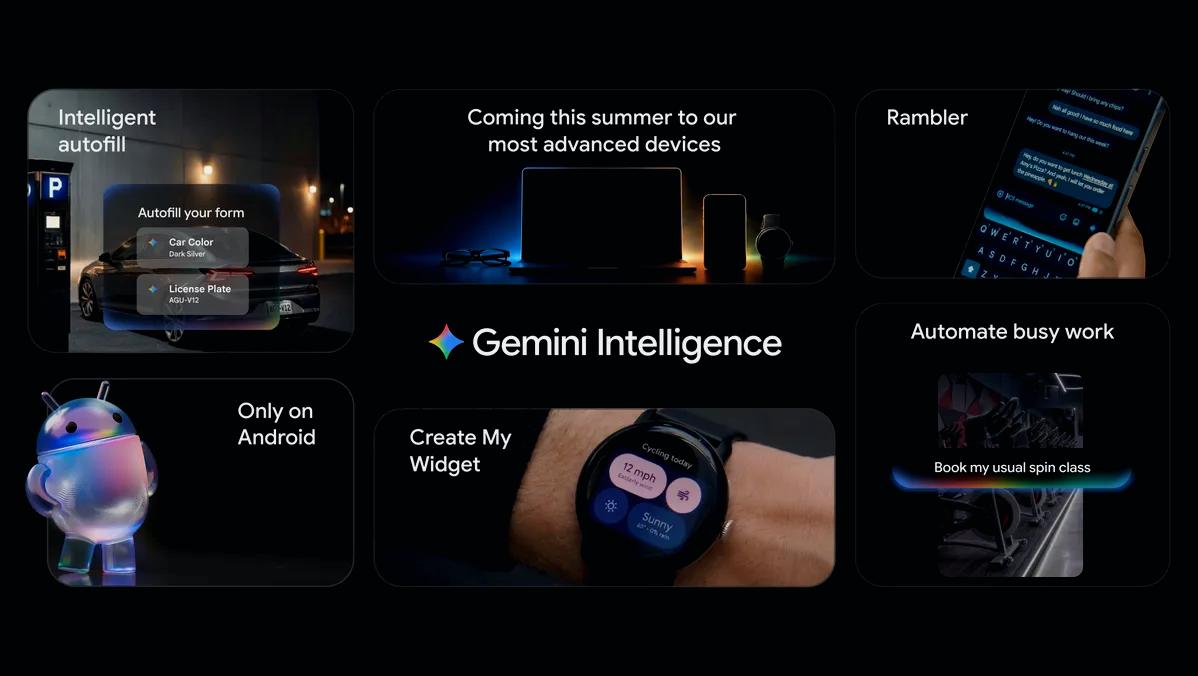
The Power of Gemini Intelligence: From Reactive to Proactive AI
Traditional smartphone AI responds passively to user commands. Android 17’s Gemini Intelligence, however, transforms this by becoming a personal assistant that anticipates your needs. Imagine your phone automatically preparing your shopping list based on your browsing history or suggesting travel plans by analyzing photos of brochures you just snapped.
This system doesn’t just understand commands; it comprehends context. For example, when you long-press the power button, it can analyze your current activity, suggest relevant apps, or even perform complex multi-step tasks—like creating a shopping cart with your preferred items from various stores—without direct instructions.

Widespread Launch and Device Compatibility
Initially, Gemini Intelligence will roll out on select Samsung Galaxy and Google Pixel devices by the end of Q2, with a phased expansion to other devices including wearables, automotive systems, and laptops. This ensures that the most popular and capable devices experience the shift toward smarter, more intuitive interactions.

Create Your Unique Widget with Natural Language
Create My Widget exemplifies Android 17’s commitment to user customization. Instead of fiddling with complex interfaces, users describe their desired widget in natural language. Want a weather widget showing only wind speed and precipitation? Simply say, “Create a weather widget with wind and rain,” and Android’s AI handles the rest, generating a tailored widget—saving time and enhancing personalization.

Revolutionizing Voice Interaction with Rambler
Rambler introduces a new era in voice-to-text technology. Rather than a verbatim transcription, Rambler intelligently extracts key information, filter out noise, and condenses lengthy speech into clear, actionable messages. This drastically improves voice command accuracy, especially in noisy environments, and streamlines hands-free communication.

Chrome Gets Smarter with Gemini-Powered Summaries and Contextual Responses
In Chrome, Gemini’s capabilities extend to summarizing long articles, answering specific questions based on webpage content, and even enabling deeper understanding of complex topics. For instance, when reading a dense research paper, users can ask Chrome to summarize in bullet points or explain key concepts with ease, making extensive reading more efficient.

Auto-Browse: Automating Routine Web Tasks Seamlessly
This new feature transforms how users interact with web content. Need to reserve a parking spot or modify an online order? Auto-Browse automates these routine tasks. It learns your preferences over time, performs actions on your behalf, and ensures security through prompts and conditional operations. This shift minimizes manual effort and maximizes productivity.

Enhanced Content Creation and Sharing Tools
Android 17 introduces innovative tools for content producers. Screen Reactions, for example, allows users to record real-time reactions alongside their screen activity, enabling richer content creation without switching apps. Additionally, tools like Smart Enhance ensure photos and videos are automatically optimized, making social sharing more effortless than ever.

Instagram & YouTube Integration Meets AI Precision
Google’s partnership with Meta and other creators results in Instagram optimizations such as HDR video shooting, seamless stabilization, and Night Sight directly within the app. Android’s new AI-driven enhancements help elevate the quality of user-generated content, matching or surpassing quality from dedicated cameras. Google’s integrated tools will also include YouTube Shorts templates, powered by AI, enabling quick editing and uploading—perfect for creators aiming for viral content.

Next-Generation Security and Privacy
Security receives a significant upgrade with Android 17. The Verification of Financial Calls feature authenticates bank or financial institution calls, preventing scam attempts. Live Threat Detection scans behaviors within apps in real-time, warning users about malicious activities.
Moreover, privacy features such as temporary location sharing and the new Pause Point indicate when apps are accessing sensitive sensors, giving users granular control to protect their data. These advancements position Android as the most secure mobile platform, especially with cross-platform encryption for RCS messages.
Android Auto and Automotive Breakthroughs
The new Android Auto revamp consolidates Material 3 design principles, offering richer, more interactive interfaces. Real-time 3D navigation visualizations enhance driver awareness, while enhanced multimedia support streamlines entertainment—such as full HD video playback in compatible cars, even while parked.
Google also introduces Magic Cue, allowing drivers to respond to messages or adjust routes using AI by analyzing your context on the fly. The goal? Making driving safer by reducing distractions while providing seamless connectivity.
The Next Step: Smarter, Safer, and More Personal Mobile Ecosystem
Overall, Android 17 redefines what a smartphone can do—making the device more than just a tool, turning it into a proactive partner in your daily life. From intelligent task automation via Gemini to enhanced security, smarter content sharing, and revolutionary automotive experiences, this update underscores Google’s commitment to pushing mobile innovation frontier.