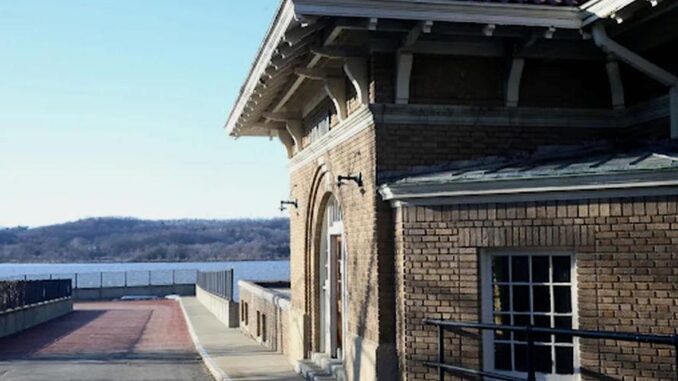
Federal Resumption of Rhinecliff Amtrak Station Renovation Sparks Hope for Regional Transit Revival
In a groundbreaking turn of events, the US federal government has officially restarted the much-anticipated renovation project for Rhinecliff Amtrak Station, ending months of uncertainty caused by bureaucratic hurdles. This pivotal development signals a renewed commitment to enhancing regional transportation infrastructure, promising faster, more accessible train services that will benefit thousands of commuters and bolster local economic growth.
Understanding the Significance of Rhinecliff Station for New York’s Transit Network
The Rhinecliff Amtrak Station is not just another stop along the Northeast Corridor; it is a vital hub serving over 211,000 passengers annually, making it the 4th busiest station in New York state. Located just 90 miles north of New York City, this station connects numerous communities to major urban centers, providing an essential backbone for regional connectivity. With daily operations involving approximately 26 Amtrak trains, modernizing this station will undoubtedly improve ridership experience and operational efficiency.
The Federal Funding Roadblock: A Tale of Bureaucracy and Political Collaboration
Initially, the US Department of Transportation’s Federal Rail Administration (FRA) halted the project in April over concerns related to compliance and funding procedures, causing a critical delay. This decision sparked outrage among local leaders, notably Senator Chuck Schumer and Representative Pat Ryan, who swiftly intervened. Their coordinated efforts, including a letter urging transparency and swift action, resulted in the FRA re-evaluating and officially endorsing the project’s continuation.
This episode underscores the complex interplay between federal oversight, local advocacy, and transportation priorities. It highlights how persistent political pressure and inter-agency collaboration can overcome roadblocks that threaten infrastructure progress.
Step-by-Step: From Bureaucratic Standstill to Project Revival
- Initial Halt: The FRA suspends work citing procedural concerns, stalling months of planning and construction.
- Local Advocacy and Political Pressure: Schumer and Ryan draft joint communications, urging the FRA to resume work without delay.
- Federal Reassessment: After reviews, the FRA communicates approval to the New York State Department of Transportation (NYSDOT), permitting project restart.
- Official Resumption: Construction crews mobilize, and renovation efforts are set to resume immediately.
Modernizing Infrastructure: Key Features of the Renovation Plan
- Enhanced Accessibility: Complying with the Americans with Disabilities Act (ADA), the station will feature wheelchair-accessible platforms, tactile warning strips, and visual aids.
- Structural Improvements: Upgrading platforms, roofing, and signaling systems to improve safety and reduce delays.
- Passenger Amenities: Introducing modern waiting areas, digital information displays, and improved lighting to elevate traveler comfort.
- Environmental Sustainability: Incorporating eco-friendly materials and energy-efficient lighting to align with sustainable development goals.
Economic and Community Impact of the Renovation
Revamping Rhinecliff Station is projected to generate significant economic benefits, including job creation during construction and increased ridership, which can stimulate local businesses. Improved station facilities foster more frequent and reliable train services, making the region more attractive for real estate development and tourism.
The project also plays a crucial role in meeting federal transportation standards, ensuring equitable access for all, including persons with disabilities. The long-term goal is to establish Rhinecliff as a model for regional transit hubs, integrating modern technology and infrastructure to improve daily commutes and regional resilience.
Future Perspectives: A Model for Infrastructure Restoration
The successful restart of the Rhinecliff Amtrak Station’s renovation encapsulates a broader narrative of collaborative governance and strategic planning in US infrastructure projects. It demonstrates how sustained advocacy, intergovernmental cooperation, and meticulous project management can dispel bureaucratic delays that threaten timely progress.
As the project advances, stakeholders hope it will serve as a benchmark for similar transit infrastructure upgrades across the country, emphasizing the importance of proactive engagement and dedicated funding to enhance nationwide mobility and economic vitality.